Everything You Need to Know About Celebrating the Amazigh New Year (2976)
Discover the rich traditions, history, and delicious foods of the Amazigh New Year. Learn how Morocco honors its indigenous heritage during Yennayer 2976. Assegas Ameggaz

Categories
Experiences
Food
Posted By
Noureddine Ingrioui
Lead Tour Guide
Posted on
To celebrate Yennayer is to step into a living history that spans nearly three millennia. As we enter the year 2976, we honor a celebration fundamentally tied to the land and the agrarian cycles of North Africa. Known as the "gate of the year" (Adwar n’issegas), Yennayer is a time for renewal and festivity, typically held between January 12th and 14th. These days are defined by a deep sense of community and Baraka (blessing), where every ritual from the food on the table to the clothes on one’s back is an invitation to honor the resilience of the Imazighen and the enduring spirit of Tamazgha.
Rituals of Renewal: Honoring the "Breaking of the Year"
The transition into the new year is marked by symbolic acts of hospitality and tradition designed to ensure prosperity for the months to come:
The Festive Amazigh Food
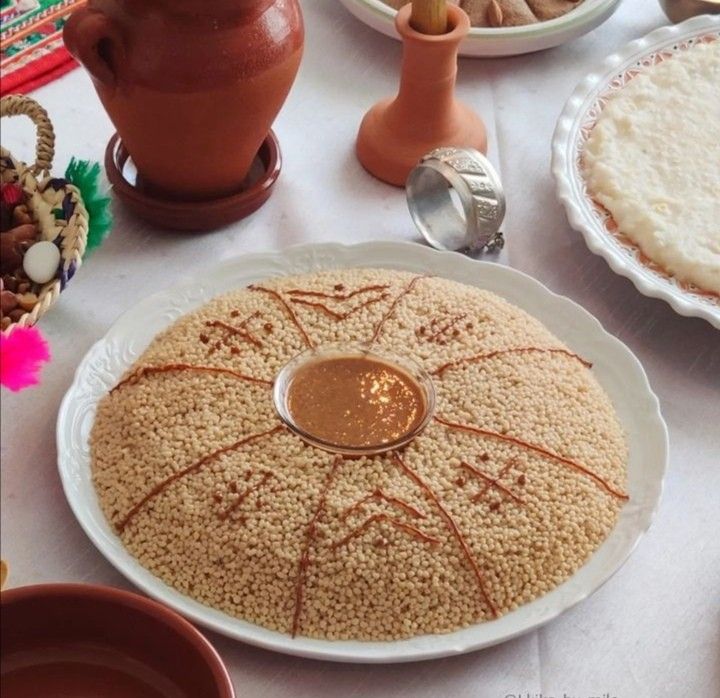
Food serves as a symbolic prayer for abundance. Families gather around large platters of Seven-Vegetable Couscous or Tagola a hearty barley dish mixed with butter and honey. In a beloved tradition, a hidden date stone or almond is often tucked into the dish; the person who finds it is said to be blessed with extraordinary luck for the entire year. In other regions, the communal preparation of Orkimen soup (made from dried legumes and wheat) marks the start of the feast.
Amazigh Music, Movements and Instruments

The air fills with the rhythmic beat of the bendir and the vibrant energy of communal performance. In the valleys, you will witness the Ahwash, while the mountains echo with the Ahidous synchronized dances where poetry and chanting celebrate the sacred bond between the people and their land.
Symbolic Attire and Finery

Yennayer is a time to showcase the artistry of Amazigh craftsmanship. Women don traditional draped garments secured by silver fibulas (Tawnza), while intricate henna designs are applied to hands and feet to welcome prosperity and ward off the "evil eye."
The Agricultural "Hearth"
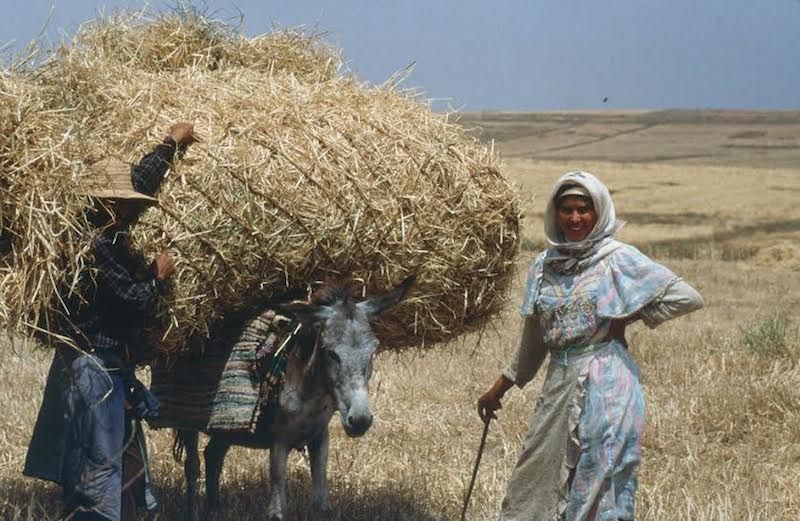
Deeply rooted in domestic renewal, many families traditionally replace the three stones of the kitchen hearth. This act symbolizes a fresh start, ensuring that the home remains warm and the soil remains fertile for the coming spring harvest.
The Enduring Amazigh Identity: Resilience Through the Ages
Despite centuries of cultural shifts and the widespread Arabization of North Africa, the Imazighen have remained steadfast guardians of their unique heritage. Their identity has not merely survived; it has thrived through a deep-rooted commitment to the "three pillars" of Amazigh life: the land, the language (Tamazight), and the laws of the community. By continuing to celebrate Yennayer with the same fervor as their ancestors, the Amazigh people prove that their culture is not a relic of the past, but a living, breathing force. This unwavering connection to their roots is what continues to define the soul of the Maghreb today, ensuring that the "Free People" remain exactly that distinct, proud, and authentically themselves.
Thanks for reading
For over 20 years, we've been guiding travelers across Morocco from the peaks of the Atlas Mountains to the depths of the Sahara. To explore Morocco your own way and support our work, check out our private tours and Tailor Made Morocco Tours.
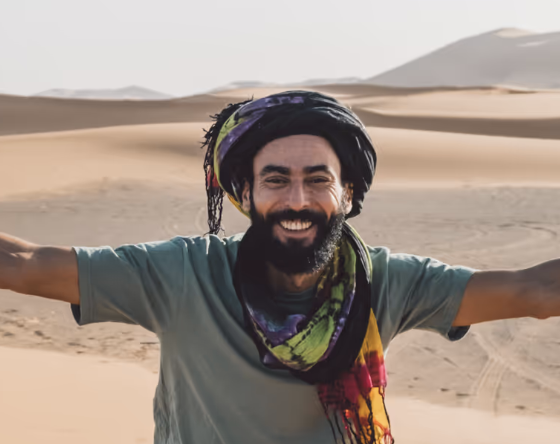
“I read every request myself, and reply the same day where I can.”
Noureddine Ingrioui
Founder & Tour Guide
Plan Your Private Morocco Tour
Ready to take the next step? Whether you’re ready to book or just exploring possibilities, we’re here to help. Share a few details with us, and our team will reach out
Plan Your Private Morocco Tour
Ready to take the next step? Whether you’re ready to book or just exploring possibilities, we’re here to help. Share a few details with us, and our team will reach out
“I read every request myself, and reply the same day where I can.”
Noureddine Ingrioui
Founder & Tour Guide