Christmas in Morocco: A Practical Guide for Travelers
Planning Christmas in Morocco? Learn how the holiday is observed, what to expect from weather, prices, and events, and how to plan a smooth trip.
Categories
Travel Tips
Destinations
Posted By
Noureddine Ingrioui
Lead Tour Guide
Posted on
You've got the flights in hand, the dates are circled, and now the question is simple. What does Christmas in Morocco look like when you're trying to plan a first trip that feels comfortable, orderly, and worth the money.
We handle this question every year from couples who want warmth, a festive dinner, and a route that still makes sense on the ground. Morocco at Christmas is not a countrywide holiday scene. It's a working travel week with pockets of holiday atmosphere in the places that cater to visitors, and that difference matters more than most guides admit.
Table of Contents
- The holiday layer is narrow and practical
- The country is quiet. The market isn't
- Marrakech and Casablanca hold the strongest signals
- The hierarchy is simple
- Use the climate gradient, don't fight it
- December Weather Across Morocco's Travel Zones
- Book like you're buying limited inventory
- A clean route for first-time couples
- Keep the operating rhythm in mind
- Putting Your Trip Together
What Christmas in Morocco Actually Looks Like
You're probably staring at the calendar and trying to picture the week. The honest answer is that Morocco feels normal on 24 and 25 December, with holiday details layered on top in a few hospitality-heavy places. In major cities such as Marrakech and Casablanca, international hotels, some restaurants, and churches may add seasonal programming, while the streets, souks, and daily routines keep moving as usual (Christianity in Morocco).
The holiday layer is narrow and practical
Christmas here is not a public holiday, and that is the key fact to plan around. Shops, transport, offices, and most medina life continue to operate, so you're not dealing with the shutdowns that complicate travel elsewhere. That also means you can still move around, book dinners, and keep your route intact without waiting for the country to reopen.
Practical rule: Treat Christmas week in Morocco as a normal travel week with a festive overlay, not as a holiday closure period.
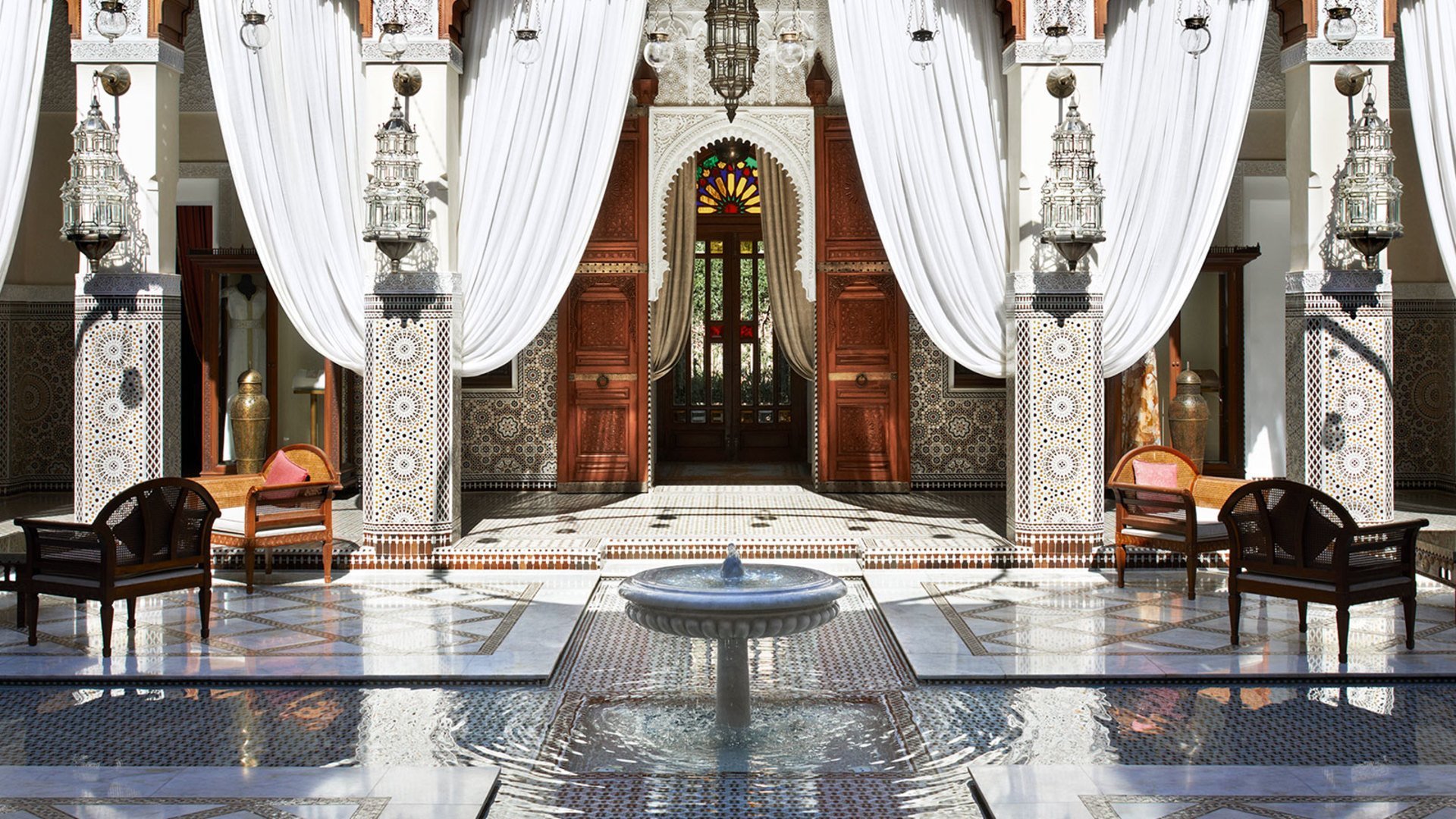
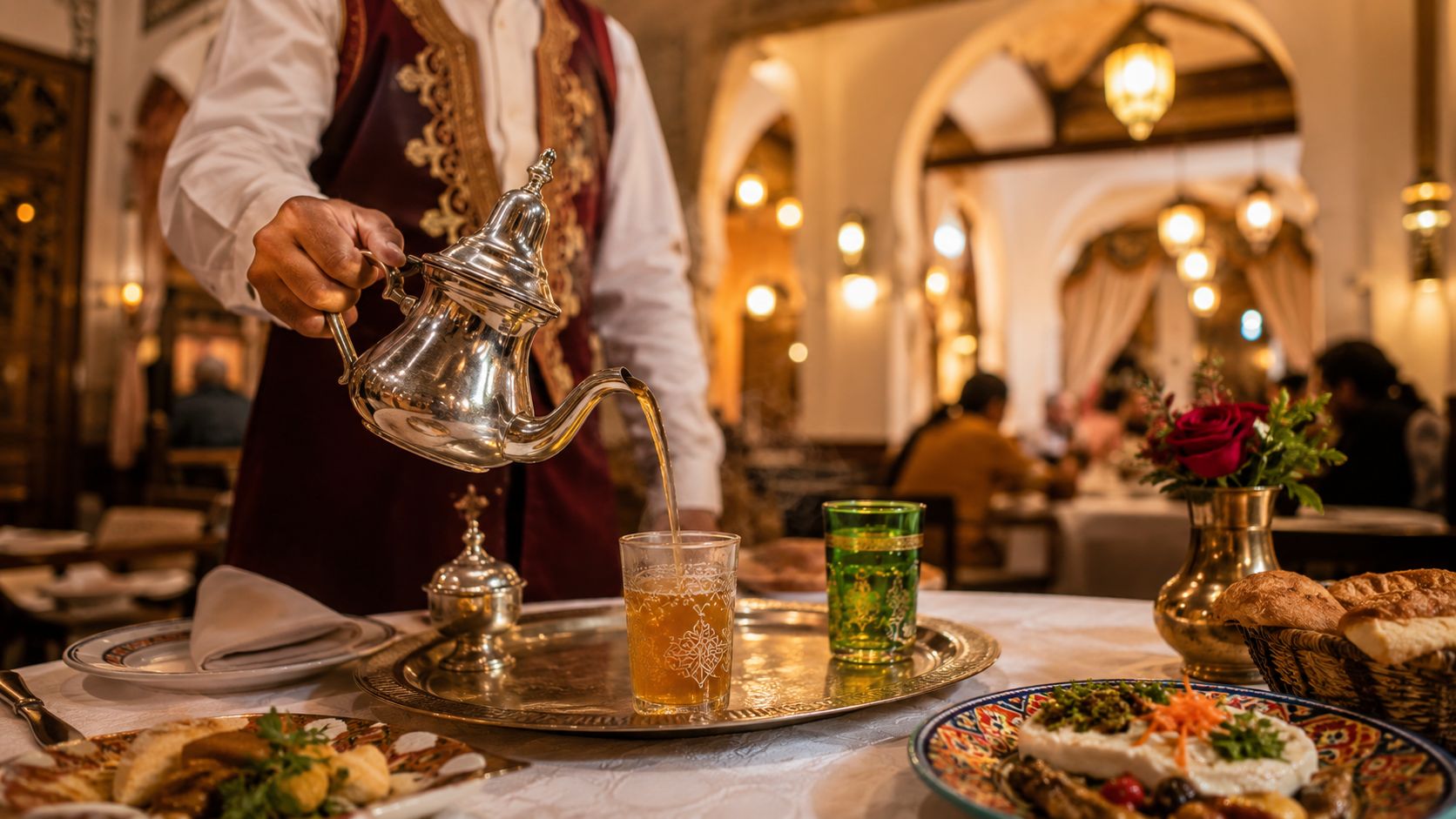
The holiday feeling shows up most clearly in hotels, riads, and private dining rooms. In Marrakech especially, the hospitality sector sells Christmas dinners, decorative touches, and special packages because that's where visitor demand concentrates (Do Moroccans Celebrate Christmas). That is also why late December behaves like peak season even though the holiday is not national.
If you want the short version, this is it. Expect a working Morocco with a localized festive layer in the places built for international guests. The rest of this guide covers the pieces that affect your trip, weather, pricing, where the atmosphere is strongest, and the small logistics that determine whether the week feels smooth or messy.
Why Christmas Is a Quiet Holiday and a Busy Travel Week
Morocco's religious baseline is straightforward. Islam is the state religion, the Christian community is small, and Christmas doesn't shape the national calendar. That's why December 25 is an ordinary working day in the medinas, with traders, shopkeepers, and service businesses generally open as normal (Christianity in Morocco).
The country is quiet. The market isn't
The twist is that the same week is one of the busiest travel periods of the year. Demand rises because international visitors arrive on holiday schedules, and Morocco's tourism infrastructure responds to them, not to local Christmas observance. That's especially obvious in Marrakech, Agadir, and the desert circuits, where availability tightens and pricing moves sharply upward (Morocco December Christmas guide).
The right way to read late December is not as a religious season. It's a commercial travel window wrapped around an ordinary work week.
This is why first-time travelers get caught off guard. They assume a quiet public holiday means easier booking, then find the opposite. Hotels price for peak demand, restaurants prefer reservations, and private itineraries need to be locked before the rush settles in.
The article often missed online is the operational one. Christmas in Morocco is less about celebration on the street and more about who is open, who is booked, and where the festive atmosphere is concentrated. That matters if you're planning a couple's trip and don't want to waste a night in a city that doesn't match your pace.
Morocco's Christian history is real, but its visible Christmas footprint is limited and localized (Christianity in Morocco). So the national picture is simple. The holiday is quiet in public life, busy in hospitality, and expensive if you wait too long.
Where to Find Festive Atmosphere Across the Country
Marrakech is where most couples notice the Christmas layer first. Riads and hotels often decorate for the season, and the city's international dining scene leans into holiday dinners and private packages. The medina itself does not turn into a Christmas market, but the hospitality side definitely does, which is why Marrakech is the safest base if you want some festive feeling without giving up Moroccan atmosphere.
Marrakech and Casablanca hold the strongest signals
Casablanca has the clearest church-centered observance. Historic churches and international hotel dining are where Christmas is most visible there, and that gives the city a more formal holiday rhythm than most travelers expect. If your priority is services, choirs, or community observance, Casablanca is the city most likely to deliver that sort of setting.
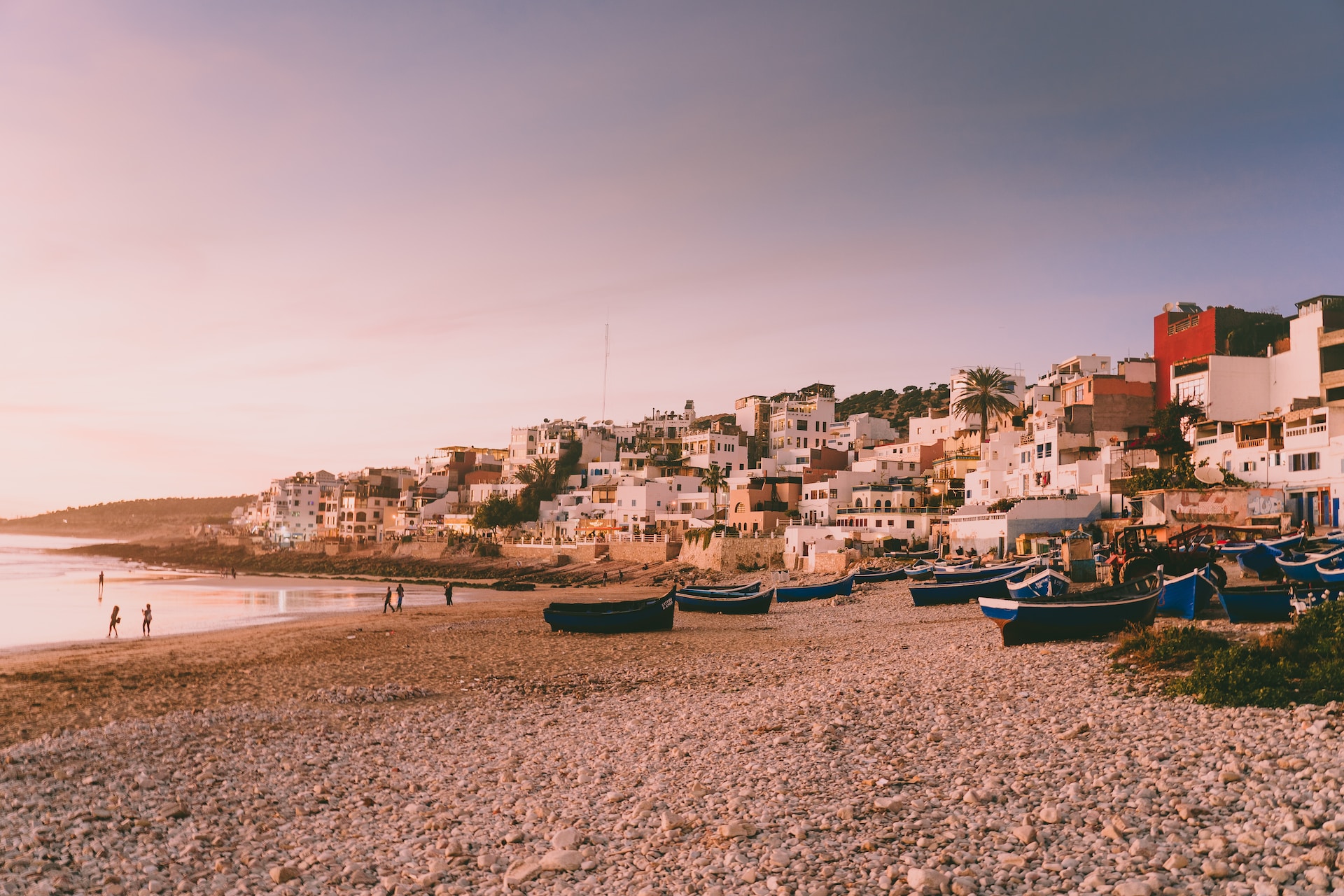
Essaouira is different. It's gentler, less staged, and more relaxed. You'll find a small expatriate presence, seasonal dining in some places, and a coast that suits couples who want slower days rather than holiday programming. It's not the place for lots of Christmas fanfare, and that's part of its appeal.
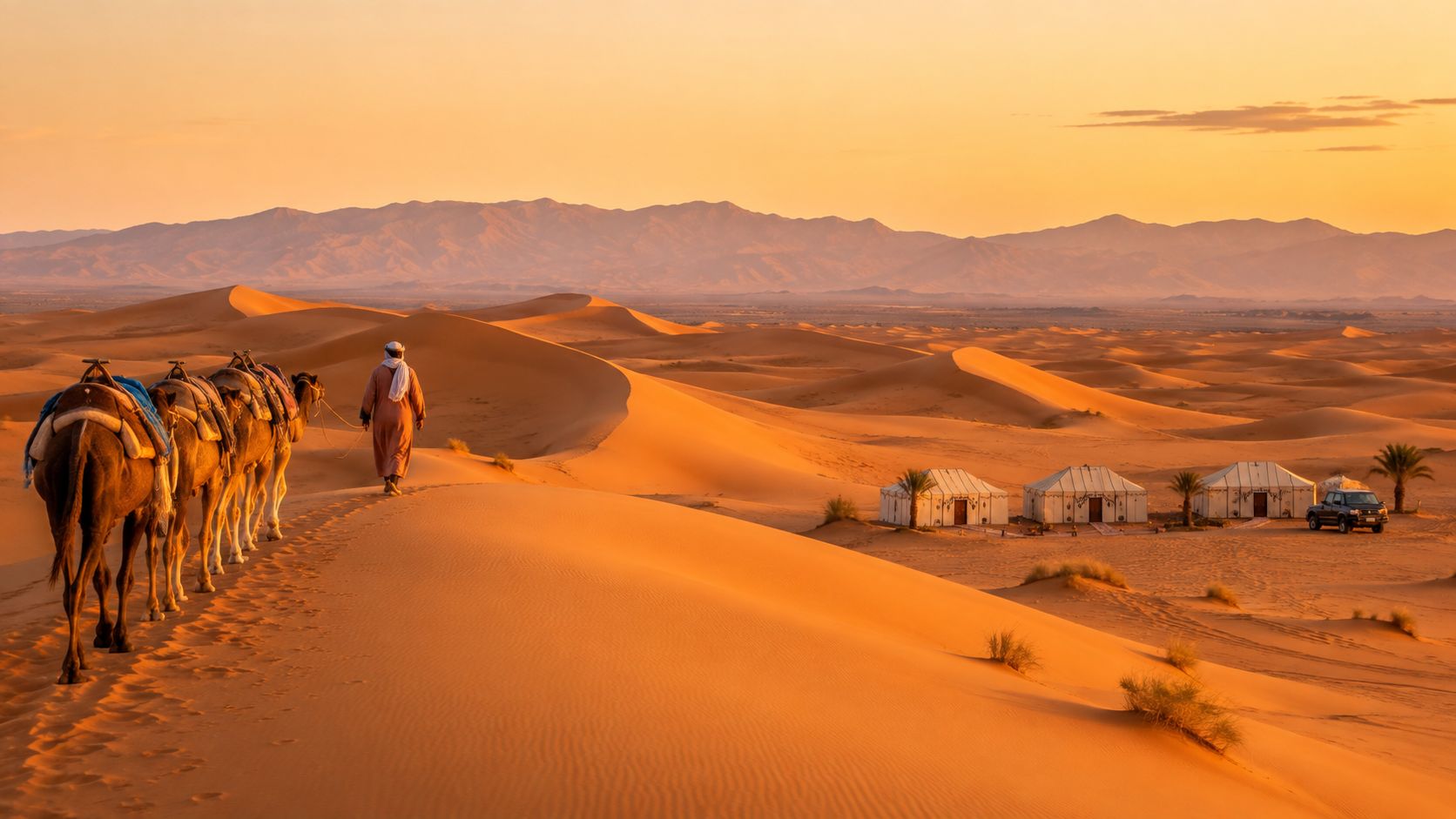
Fez and the deeper medinas sit at the other end of the spectrum. Christmas is barely visible there, which can be exactly what you want if your goal is a calm cultural week with minimal seasonal noise. The same goes for the desert regions around Merzouga and Zagora. There's no broad Christmas scene there, only the possibility of a private dinner arranged by an operator if you ask in advance.
The hierarchy is simple
- Strongest festive feel: Marrakech, then Casablanca.
- Moderate, low-key seasonal feel: Essaouira.
- Minimal visible Christmas: Fez and the deep medinas.
- Almost none, unless arranged privately: Merzouga and the desert loop.
That's the true map. If you want visible holiday touches, stay in hospitality-heavy cities. If you want Moroccan daily life with almost no seasonal overlay, head deeper into the medinas or out to the dunes. For travelers who want both, the best answer is to split the trip.
December Weather and How It Shapes Your Route
Late December in Morocco is not one climate. It's several, and that's why route choice matters more than many realize. Marrakech and the interior feel mild by day and cooler at night, the coast stays softer, and the Atlas becomes the main planning issue because winter weather can change what you do and when you do it (Morocco in December climate guide).
Use the climate gradient, don't fight it
This is the basic packing logic. You need light layers for daytime medina walks, then a proper jacket for evenings, especially if your route includes rooftop dinners or a mountain stop. The coast is easier for comfort, the interior gives you more seasonal contrast, and the desert can feel cold fast after sunset.
The Atlas is where caution pays. If you're crossing high passes, you need a driver who understands winter conditions and doesn't treat the route as a simple straight line. Snow and ice risk can change travel comfort quickly, so the smart move is to plan with flexibility rather than forcing a fixed schedule.
For a broader month-by-month perspective on timing, we also keep one planning note on our site here, when is the best time to visit Morocco. December is a good month, but only if you respect the way each region changes after dark.
December Weather Across Morocco's Travel Zones
RegionDay °CNight °CRain DaysRoute ImpactMarrakech and interior areas18–21°C5–8°CNot specified in verified dataGood for city days, cold enough for evening layersCoast20–22°C11–13°CNot specified in verified dataEasier for relaxed pacing and outdoor mealsDesert zones18–22°C2–6°CNot specified in verified dataFine by day, cold at night, pack for winter desert conditionsAtlas-5 to 0°CNot specified in verified dataNot specified in verified dataSnow is possible, passes can slow or change routing
A sensible Christmas route uses the coast or Marrakech as an anchor and treats the desert as a winter zone, not a hot-weather add-on. That simple shift keeps people from underpacking and overcommitting.
Travel rule: Pack for the coldest stop on your route, not the warmest one.
If you're browsing late-December ideas, the Approved Experiences Traveler December picks can be useful as a general seasonal comparison point, but for Morocco the answer is still regional planning. The country rewards layered packing and punishes rigid expectations.
Prices, Availability, and How to Book Smart
Late December is expensive in Marrakech and Agadir because the market behaves like peak holiday travel, not shoulder season. Verified guidance shows that early-December hotel rates can sit 30–50% lower than peak season, while Christmas week prices can rise by 50–200% at popular properties (DoitinMorocco December Christmas guide). In practice, that means the same trip gets pricier fast if you wait.
Book like you're buying limited inventory
For couples, the smartest move is to reserve riads and desert camps well ahead of time, especially if you care about room type, location, or holiday dinners. Once December is underway, you're often choosing from what's left, not from what you wanted.
That matters most in Marrakech, Agadir, and the desert. Ocean-facing properties and higher-demand riads go first, and late bookings carry the worst value because you're paying for scarcity rather than quality. If you want private transport, holiday dining, and a clean route, you need the trip plan settled early.
Best practice: Build the itinerary first, then hold the rooms, then confirm the driver and dinners. Reversing that order usually costs you flexibility.
Small private groups and couples usually get the best value on private itineraries because costs split more cleanly. Solo travelers face a tougher equation because private camps and private drivers rarely soften single-use pricing. If you're traveling as two, don't delay. That's the sweet spot for both comfort and cost control.
Inside December, the market turns much less forgiving. Even when the trip is still possible, the pricing often reflects walk-up demand rather than smart planning. If you want to avoid that, request a custom route before the holiday rush closes the better rooms.
For travelers who want a private, operator-built route, Moroccan Guides Travel can arrange tailor-made Christmas itineraries with licensed guides and drivers, which makes sense for couples who want all the logistics handled in one place. That's one option, and it fits this type of trip well because the holiday week rewards coordination more than spontaneity.
Planning a 7 to 10 Day Christmas Itinerary
A Christmas trip in Morocco works best when you stop trying to cram in everything. Sequence matters more than sightseeing count. Start in Marrakech, keep the first days easy, then add the Atlas, the desert, and a coast stop only if the pace still feels right.
A clean route for first-time couples
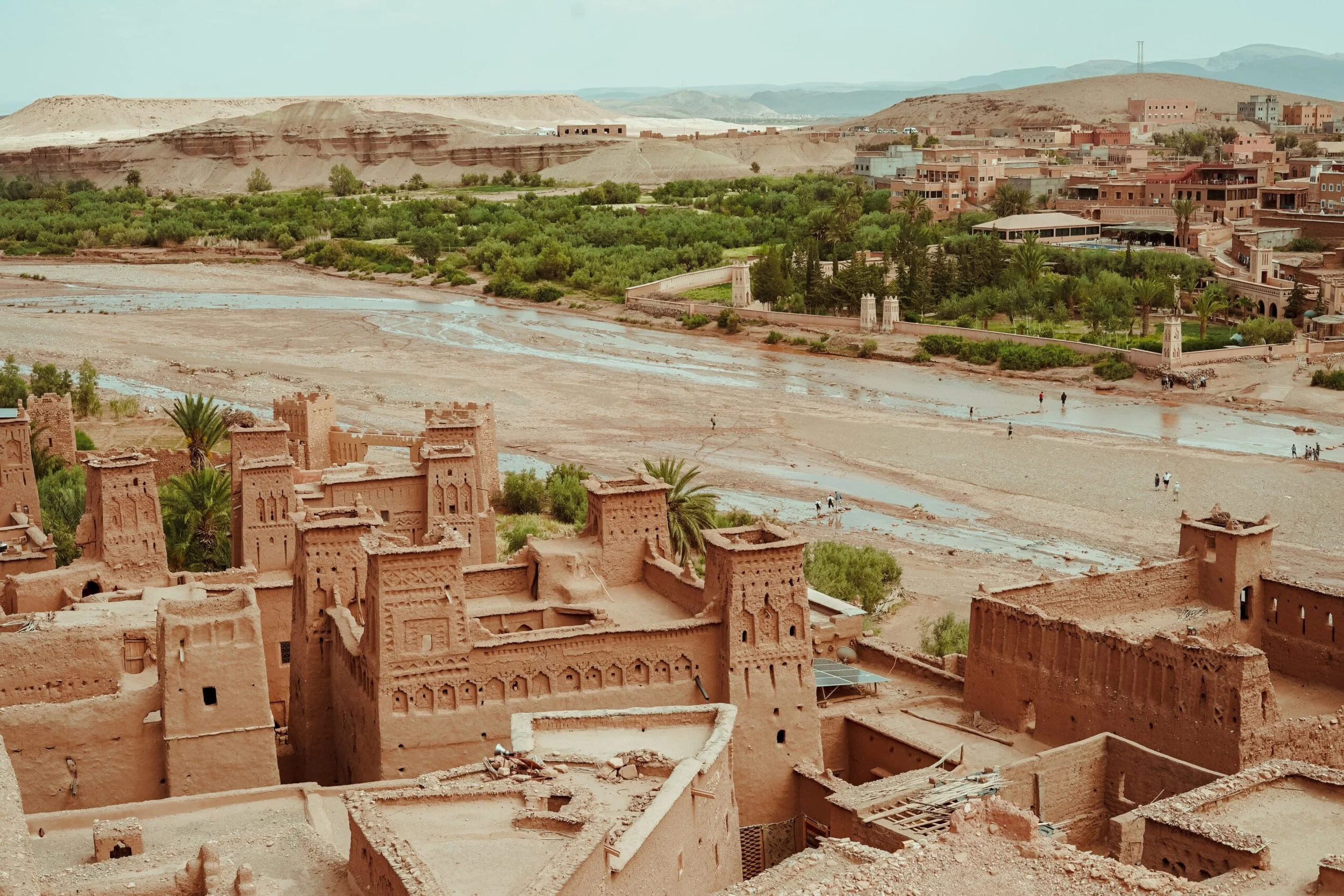
Land in Marrakech and use it as your reset point. Give yourselves two nights there so you can absorb the medina, the souks, and the city's holiday dining without rushing. From there, head over the Atlas, stop at Aït Ben Haddou, and continue to Ouarzazate or Skoura if you want the route to stay balanced.
If the desert is important to you, make it a deliberate stop rather than a rushed add-on. Merzouga gives you the classic Erg Chebbi experience, while a shorter loop works better for couples who want less driving. If you're more interested in soft pacing and less road time, leave the dunes for another visit and put your nights into Marrakech and the coast instead.
Days on the Atlantic give the trip a different rhythm. Essaouira is the natural contrast to the desert and the mountain roads, with a slower pace that suits a holiday week well. Two nights there usually feel cleaner than one, because the coast works best when you don't treat it like a checkpoint.
The 7-day structure our clients use most often is simple. Marrakech, Atlas, desert or Ouarzazate, then Essaouira if time allows. A longer 9 to 10 day version gives you room for a slower Marrakech finish or a side route into the High Atlas without making the holiday feel like a relay race.
For a fuller route framework, our own 7-day Morocco itinerary guide is a useful planning companion.
If you only have one week, choose fewer stops and better pacing. Morocco rewards that approach far more than a rushed checklist.
Practical Details Most Guides Skip
First-time travelers usually need the most help. Alcohol is available in Morocco only through licensed venues and retailers, so hotel bars, selected restaurants, and authorized shops are the places to expect service, not the street. Public drinking is not the way to handle it, and that catches some visitors off guard (Alcohol in Morocco).
Keep the operating rhythm in mind
December 25 runs like a normal working day in the medinas and souks. That means errands, shopping, and transport continue, but it also means service workers are not automatically adjusting to your holiday expectations. If you want a special dinner, pre-book it. Most restaurants won't invent a Christmas menu for walk-ins.
Transport stays usable through the holiday window, which is one reason Morocco works well at Christmas. Trains, buses, and private drivers generally continue operating, so the country doesn't freeze up the way some holiday destinations do. The issue is less shutdown and more demand, which is why your timing still matters.
Security deserves straight talk. Current U.S. and U.K. guidance still says to exercise increased caution due to terrorism, and both advisories were current in 2026 at the dates noted in the official guidance (U.S. Morocco travel advisory). That doesn't mean panic. It means you plan like adults, keep city timing sensible, and don't overexpose yourselves with tight overnight transfers.
Guide's rule: Book the holiday week with the same discipline you'd use for any major city break, then add Morocco's road realities on top.
Tipping and dress are practical, not theatrical. Keep clothing modest enough to move between riad courtyards, churches, and restaurants without adjusting your outfit every hour. For trip prep, it also helps to keep a written checklist for drivers, luggage, dinners, and day-by-day timing. A basic framework like the pre-departure checklist for tour operators is useful reading even for travelers, because it shows how much gets missed when nobody owns the logistics.
If you want a focused note on presentation and comfort for women travelers, our solo female travelers in Morocco page covers the same practical mindset from a different angle.
Putting Your Trip Together
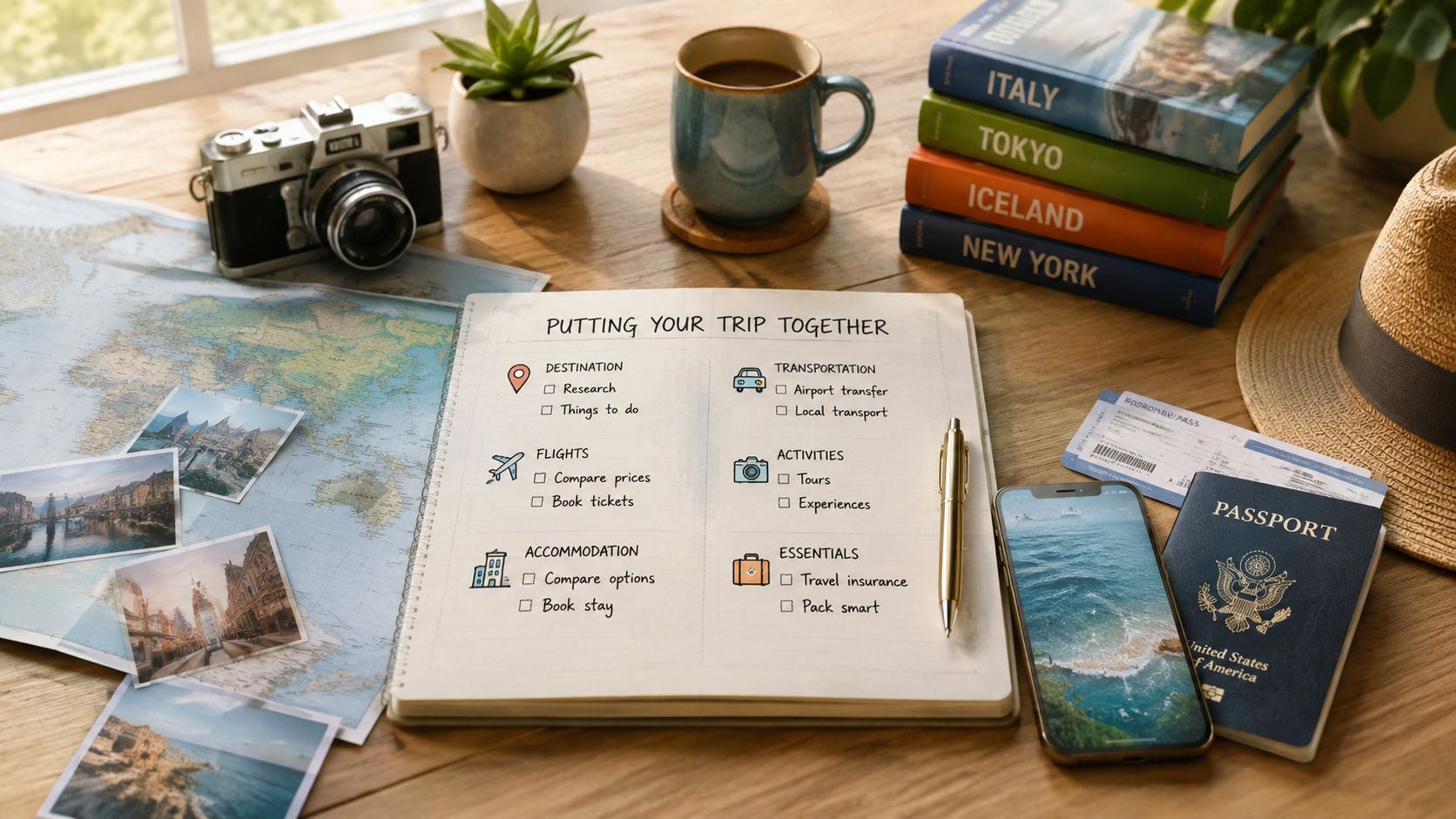
For a first Christmas trip here, we'd keep the decision-making tight. Book early, choose one proper base in Marrakech, add the desert only if you're comfortable with the driving, lock the driver before the holiday week, and confirm any festive dinners before you arrive. That's the difference between a polished route and a trip that feels improvised.
If you want the holiday to feel special without trying to recreate a Northern European Christmas in North Africa, that's the right mindset. Morocco gives you winter sun, hotel dining, medina life that keeps moving, and a road trip that works if someone plans it properly. Couples usually enjoy it most when they stop chasing every stop and let the route breathe.
Request a custom itinerary with your dates, group size, pace, and the cities you care about most. We'll build it as a private route, not a group tour, and keep the holiday logistics realistic from the first night to the last transfer.
Moroccan Guides Travel designs private Morocco itineraries from Marrakech with licensed local guides and professional drivers, including Christmas week routes that combine Marrakech, the Atlas, the desert, and the coast. If you want a trip built around your dates and pace, visit Moroccan Guides Travel and request your free custom itinerary.
Thanks for reading
For over 20 years, we've been guiding travelers across Morocco from the peaks of the Atlas Mountains to the depths of the Sahara. To explore Morocco your own way and support our work, check out our private tours and Tailor Made Morocco Tours.
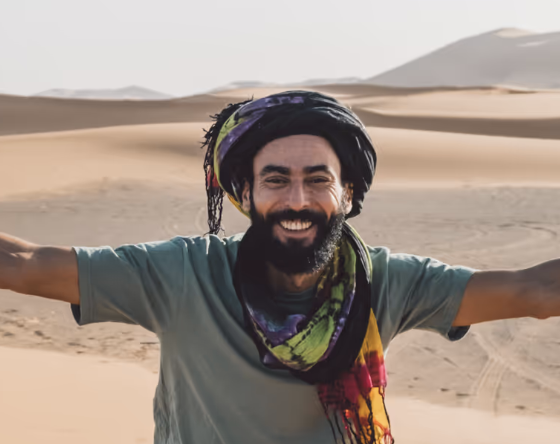
“I read every request myself, and reply the same day where I can.”
Noureddine Ingrioui
Founder & Tour Guide
Plan Your Private Morocco Tour
Ready to take the next step? Whether you’re ready to book or just exploring possibilities, we’re here to help. Share a few details with us, and our team will reach out
Plan Your Private Morocco Tour
Ready to take the next step? Whether you’re ready to book or just exploring possibilities, we’re here to help. Share a few details with us, and our team will reach out
“I read every request myself, and reply the same day where I can.”
Noureddine Ingrioui
Founder & Tour Guide