10 Things to See in Marrakech and Nearby
Categories
Destinations
Posted By
Noureddine Ingrioui
Lead Tour Guide
Posted on
The strongest first trip to Marrakech usually follows a simple pattern. Start with one compact medina sequence, break it with a garden or neighborhood visit, then add one longer day trip only if the pace still feels right. Marrakech's old city is a 700-hectare UNESCO World Heritage site founded in 1070 to 1072 and inscribed in 1985 UNESCO's Medina listing, so the right plan matters. The place rewards smart sequencing more than random wandering.
For first-time travelers aged 35 to 65, we usually think in terms of effort, crowd level, and how much walking sits between stops. Jemaa el-Fnaa, the Koutoubia area, the souks, and Bahia Palace fit well together in a half-day medina route. Majorelle Garden works better as a slower city break. Imlil, Agafay, Essaouira, and Aït Ben Haddou belong in separate blocks because they change the rhythm of the day.
Moroccan Guides Travel is owner-operated in Marrakech, and we build private itineraries only, never group tours. If you want a city day that matches your pace, start with our Marrakech private city tour with royal palaces and souks and our custom Morocco private tours. We plan around walking tolerance, transfer time, and the amount of pressure you want on a first visit.
Table of Contents
1. Jemaa el-Fnaa
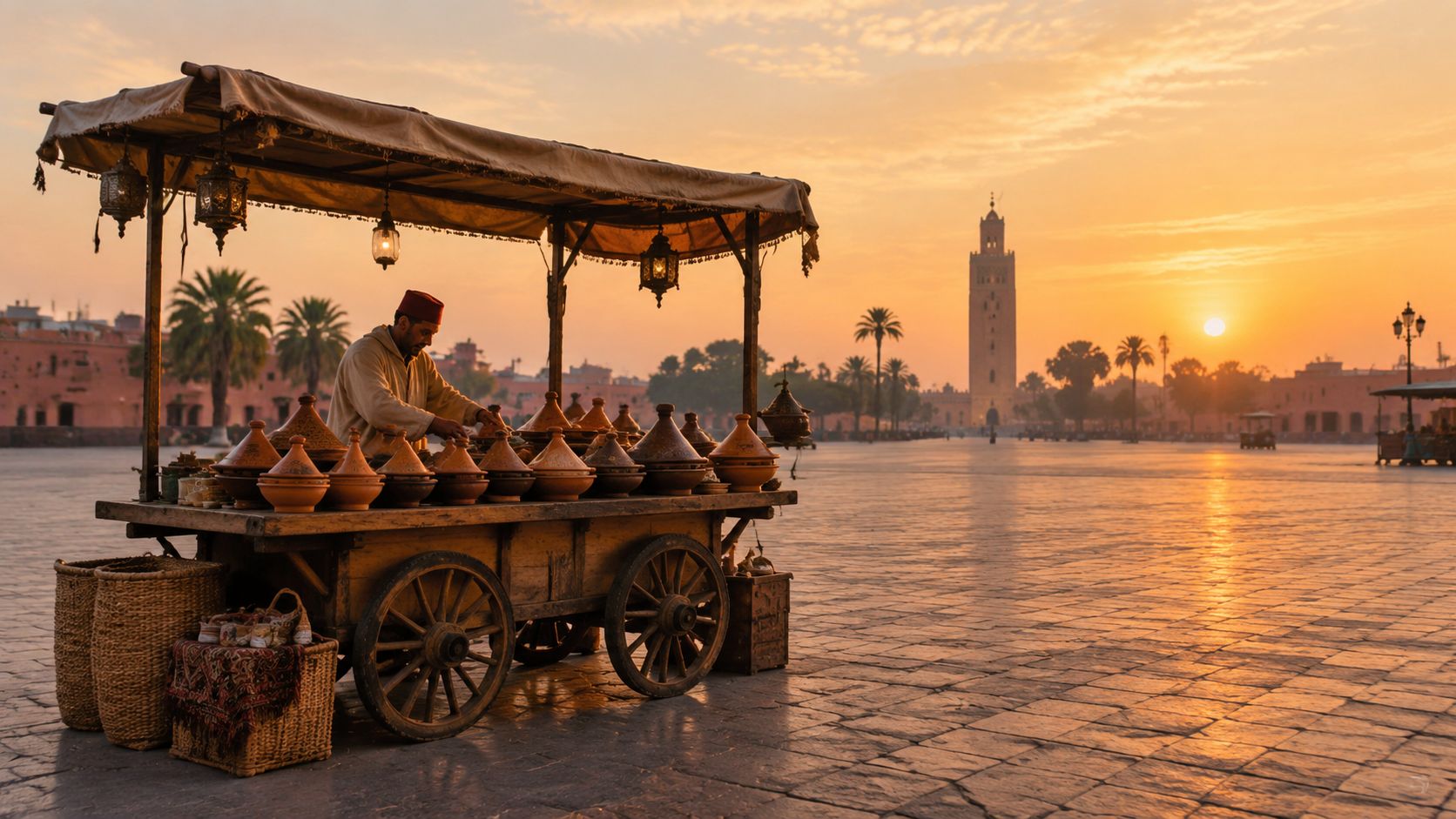
Jemaa el-Fnaa is the square that gives Marrakech its pulse. UNESCO describes it as a veritable open-air theatre inside the historic medina UNESCO Medina listing, and that's the right frame for it. Performers, food stalls, and daily city life overlap in one place.
How to time it
Go early if you want shape, space, and easier photos. Go later in the day if you want the square at full energy, but expect more noise, tighter movement, and a stronger sales push. That trade-off matters for travelers who don't like to negotiate while standing in a crowd.
Practical rule: Jemaa el-Fnaa works best as a short stop on the way to the Koutoubia area or the souks, not as a long sit-down unless you already like dense public spaces.
Wear comfortable shoes because the square connects straight into older lanes with uneven ground. Keep small bills handy, since tips and small purchases are easier when nobody needs change. If you photograph performers, ask first. That saves friction and fits the way the square still operates as a working public space.
For many first-time visitors, the square is best in two passes. We often bring guests through in the morning for orientation, then return after the day's other stops so they can see how the mood changes. That gives you context without spending too long in the most crowded part of the medina.
2. Bahia Palace
Bahia Palace gives you Marrakech's decorative craft without the chaos of the busiest streets. It has a published adult admission price of 100 MAD and is open daily from 9:00 to 17:00, with last entry around 16:30 Bahia Palace FAQ. Those hours make it an easy fit for a medina half-day if you start early and keep the rest of the route tight.
What makes it worth the stop
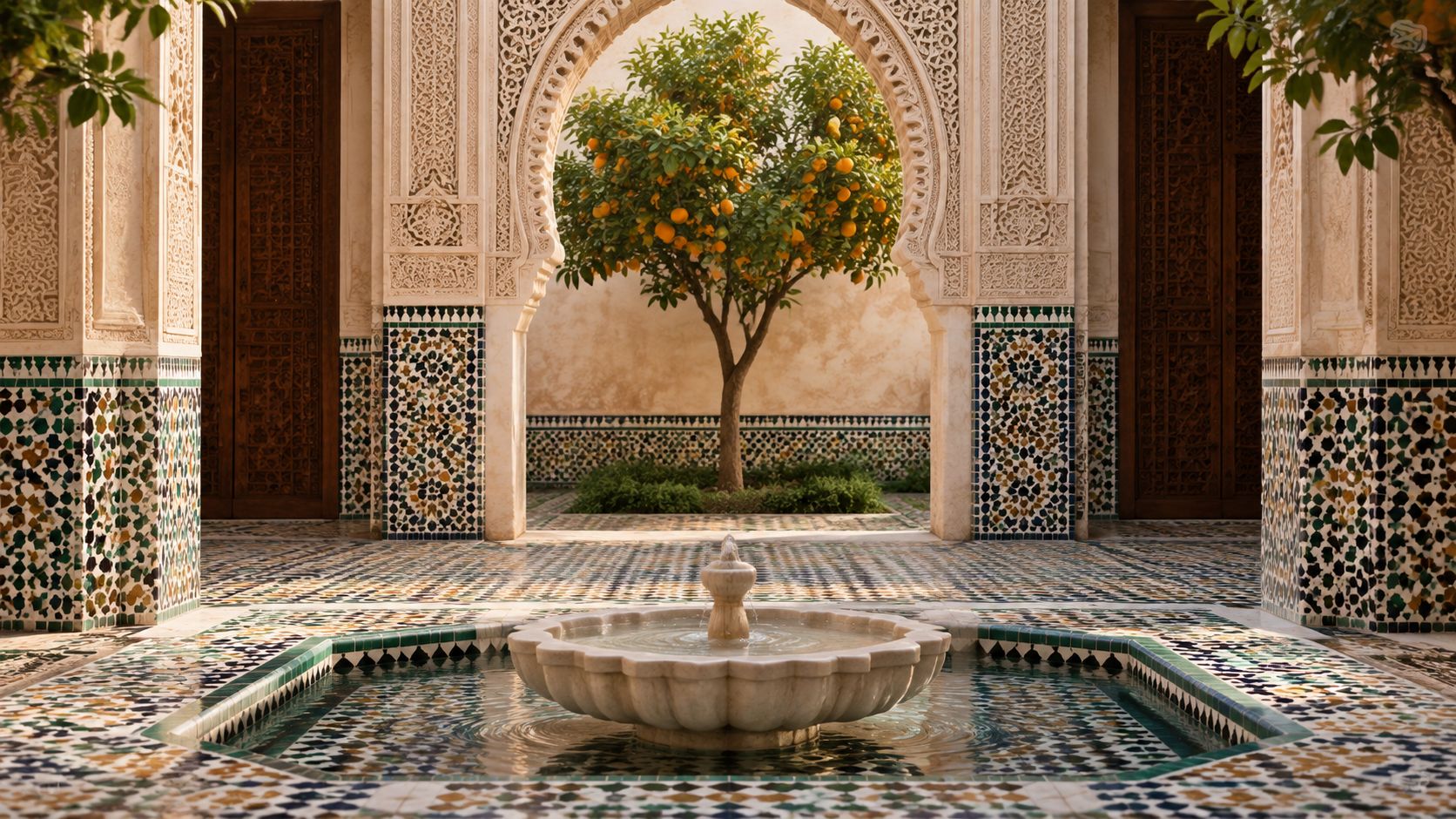
The palace works because it slows everything down. Courtyards, carved details, and interior rooms create a calmer rhythm than the nearby market lanes. For travelers who want architecture but not another hour of bargaining, this is one of the best returns on time in central Marrakech.
A local guide helps here because the value is in context as much as in decoration. Without guidance, many visitors move through quickly and miss how the rooms relate to each other. With guidance, the site becomes easier to read and more meaningful, especially if you already walked through the medina earlier in the day.
Good pacing: Pair Bahia Palace with Jemaa el-Fnaa and a limited souk walk. That gives you one heritage stop, one public square, and one market section without overloading the day.
Plan on layers if you're sensitive to temperature changes. Interior rooms can feel different from courtyard spaces, and a longer visit is better if you like details rather than quick photos. Respect roped-off areas, since some rooms stay under conservation and shouldn't be treated like open galleries.
3. Koutoubia Mosque and Gardens
Koutoubia is the landmark you keep orienting yourself by as you move through central Marrakech. Its 12th-century minaret is visible across the city, and the surrounding gardens give you one of the few open, restful public spaces near the old core. The mosque interior isn't open to non-Muslims, so the visit here is about the exterior, the setting, and the way the area sits beside the medina flow.
Best way to include it
We like placing Koutoubia between Jemaa el-Fnaa and the first medina lane, because the walk is short and the contrast is useful. After the density of the square, the gardens feel easier on the body and mind. That matters for older travelers or anyone who doesn't want a full day of tight streets and active selling.
Avoid timing the visit immediately before or after prayer times if you want a quieter experience around the perimeter. Bring water and sun protection because shade is limited in the open areas. Early morning and late afternoon are the best windows for light and photography.
If you're building a first-day itinerary, this is one of the easiest anchors. It helps the medina make sense without asking for a long stay. We often use it as the point where guests pause, reset, and decide whether to push into the souks or head back for lunch.
4. Medina Souks
The souks are where Marrakech becomes a working market rather than a sightseeing backdrop. UNESCO's medina description covers the souks, fondouks, and artisanal activity that still shape the old city today UNESCO Medina listing. That means you're walking through commerce, craft, and daily movement at the same time.
How to shop without wasting time
A guide helps here because the souks are maze-like and prices are negotiable. If you go in without orientation, it's easy to buy impulsively or spend too much time trying to find your way back. For first-time visitors, especially couples who don't want stress, guided navigation is usually the better call.
Keep it practical: Know roughly what you want before entering. Textiles, leather, metalwork, spices, and jewelry each sit in different trade zones, and a focused route beats open-ended wandering.
Carry only what you plan to spend, and leave the rest at your accommodation. Ask for a receipt on significant purchases. Buy from established shops rather than from people who approach you on the street. Haggling is part of the process, but respectful negotiation keeps the tone better for everyone.
This is also one of the best places to use a half-day structure. We usually keep it short, then break for lunch or a quieter stop. That approach works better than trying to “finish” the souks, because there is no real finish point.
For a fuller pre-planned route through the market side of the city, see our Marrakech city highlights guide.
5. Majorelle Garden
Majorelle Garden gives Marrakech a different tempo. It's a botanical space rather than a market district, so the pace drops and the visual noise drops with it. For many first-time travelers, that makes it the most comfortable city stop after a medina morning.
Why it fits so well
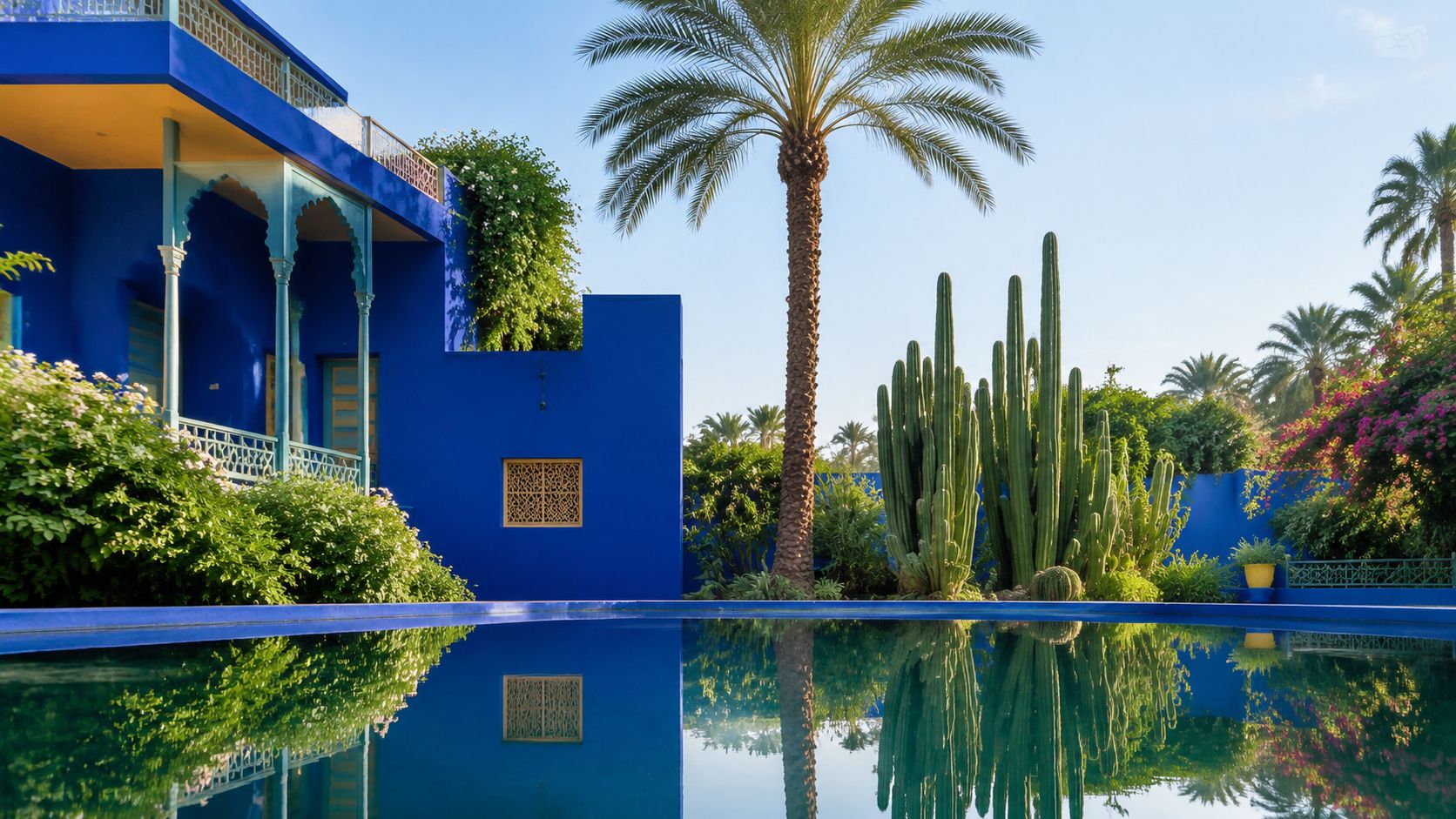
The garden was created in the early 20th century and later became associated with Yves Saint Laurent. It combines exotic planting, water features, a cobalt-blue villa, and the nearby YSL Museum. That combination makes it a strong stand-alone visit or a natural pairing with a relaxed lunch nearby.
Arrive early if you care about light and fewer people. This site rewards slow walking, but it still needs energy because you'll cover a fair amount of ground inside the garden. Comfortable shoes matter more here than many visitors expect.
If you're building a city day for travelers aged 35 to 65, Majorelle works as the reset point. It gives you an easier walking load than the souks and a cleaner visual experience than the busiest medina lanes. The YSL Museum adds time, so plan for that only if your day is otherwise light.
A good private day often does this sequence, medina first, garden second, then a quiet riad lunch. That keeps the hardest walking earlier and ends the day with less pressure.
6. Atlas Mountains Trekking From Imlil
Imlil is the base most visitors need to know if they want the High Atlas without overcommitting. It sits about an hour from Marrakech, and routes range from easy walks to more demanding hikes led by certified mountain guides from local Amazigh communities. That makes it one of the most flexible things to see in Marrakech's orbit.
Choose the right effort level
Start with a day trek before you think about anything longer. That tells you how your body handles mountain pacing, altitude changes, and uneven terrain. If you've never done mountain walking in Morocco before, this is the safer way to test the ground.
Bring layers because mountain weather changes faster than city weather. Start early so you're not pushing into the afternoon window, and carry water and snacks rather than waiting for a formal stop. Proper hiking boots matter, especially if you're arriving from a city stay and haven't broken in trail shoes yet.
Discuss fitness level and prior trekking experience with your guide before you leave Marrakech. That saves time on the trail and keeps the route realistic.
For couples in their 40s, 50s, or 60s, this is often a better choice than a long city sequence. You get scenery, movement, and a real change in atmosphere without the commitment of a desert transfer. If you want to compare the mountain season to the rest of Morocco, our best time to visit Morocco guide helps you match weather and pacing more sensibly.
7. Agafay Desert
Agafay gives you a desert-like day without committing to Sahara distance. It's a rocky semi-desert plateau about 45 minutes south of Marrakech, and typical day trips run 6 to 8 hours Agafay and Sahara planning context. That makes it one of the easiest longer outings to add if you want open space but not a full overnight.
Who it suits
Agafay suits travelers who want a break from the medina but don't want a very long drive. Camel rides, ATV rides, guided walks, and Berber tent camp lunches are common ways to structure the day. We usually recommend it for guests who want a destination day with simple logistics and a clear start and finish.
The trade-off is heat and glare. Rock reflects sun, so full-length sun protection helps more than people expect. Apply sunscreen again during the day, and bring a light scarf or buff if wind picks up.
Eat breakfast before departure, because camp meals often come later in the day. Book through a guide who can coordinate directly with camp operators, and make activity choices clear before you leave Marrakech. That avoids the common problem of arriving and finding the day is organized around something you didn't really want.
For first-time visitors, Agafay works best after at least one city day. That way you've already handled the medina and can enjoy the change in setting instead of treating the outing like a scramble.
8. Essaouira
Essaouira is the easiest coast option from Marrakech when you want a full change of air. The Atlantic town sits about two hours west of Marrakech and combines a working fishing harbor, ramparts, beaches, and argan oil cooperatives Essaouira planning context. It works well as either a day trip or an overnight.
How to use the town well
Go for the harbor and the ramparts first if you only have one day. The seafood side of the town works best at lunch, when the harbor activity connects naturally to the meal. If you're staying overnight, book early during busy periods because the better-located places go first.
This is one of the best choices for travelers who want lower pressure than Marrakech. The streets are easier to handle, the air feels different, and the day doesn't rely on constant negotiating. For many couples, that makes it a welcome reset between medina time and mountain or desert time.
Bring wind-resistant layers because the coast can feel exposed even when the sun is out. If you want the cooperatives, go in the morning and keep the rest of the day open. That gives you a fuller sense of the region without turning the visit into a shopping errand.
Essaouira also pairs well with a second night if you want slower travel. The coast works better when you don't rush it.
9. Aït Ben Haddou
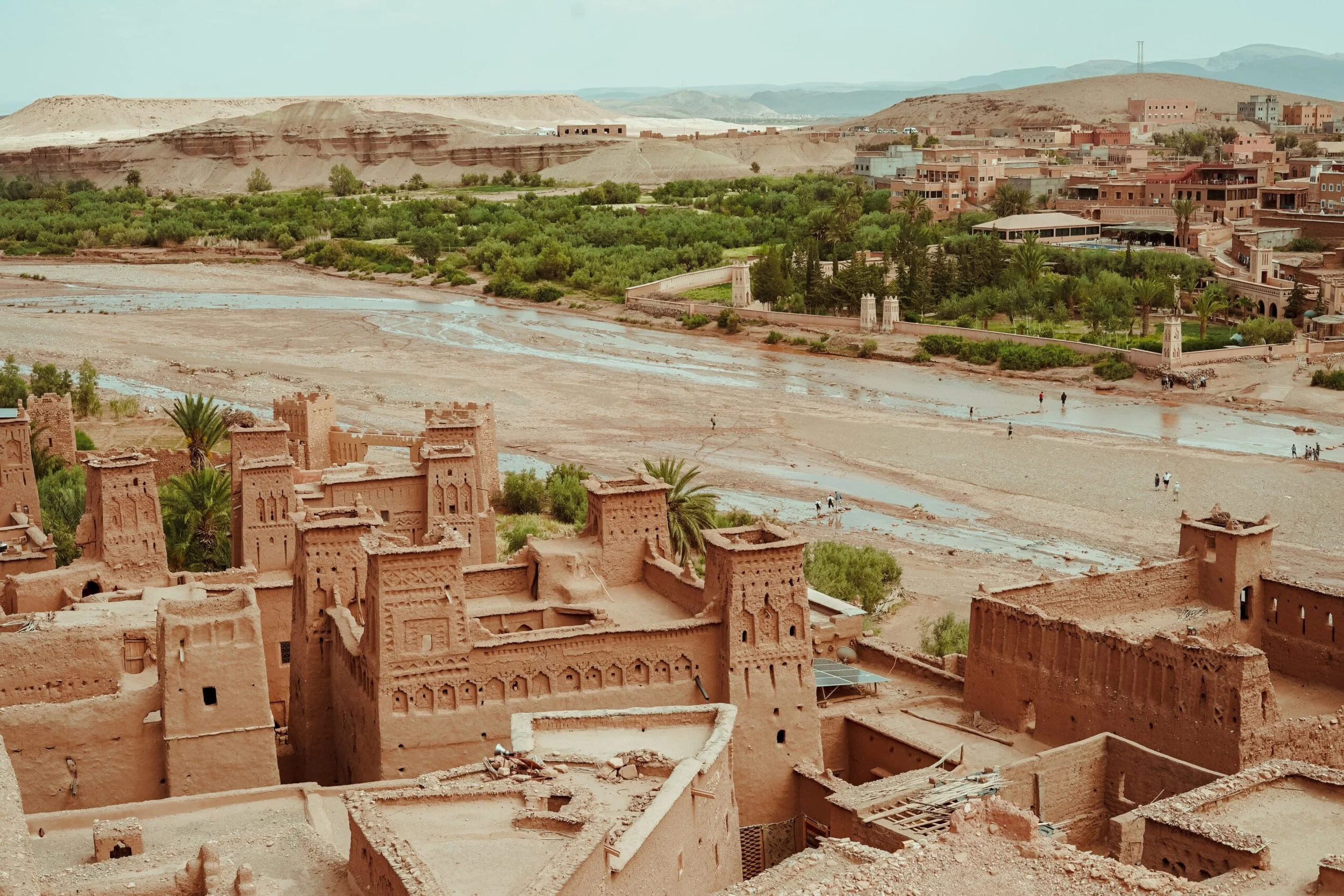
Aït Ben Haddou is one of the strongest longer add-ons from Marrakech if you want a historic kasbah with real character. The site is a UNESCO World Heritage fortified village about three hours south of Marrakech, and a half-day to full day is the normal way to approach it UNESCO Medina listing. The earthen architecture and hillside setting make it feel very different from the city.
Make the visit manageable
Wear sturdy shoes with grip, because the walking surface can be uneven. Carry water, since access inside the kasbah is limited and you'll likely spend time outdoors between viewpoints. A local resident guide is worth it for context and for better use of the viewpoints.
Early morning is best if you want calmer conditions and easier photography. Late in the day can also work if you're combining the stop with a longer route, but don't try to squeeze it into a crowded Marrakech day. This is a better fit for a day that already starts early and moves at a steady pace.
We usually recommend combining Aït Ben Haddou with Ouarzazate if the itinerary is already pushing into the south. That keeps the long drive more useful and reduces the sense that the whole day was spent inside a vehicle. For travelers with a moderate budget and a desire for a real road trip, this is often one of the most satisfying route choices.
10. High Atlas Trekking Mount Toubkal and Imlil Valley
Mount Toubkal is North Africa's highest peak at 4,167 m, and it's accessed via Imlil. Summit attempts are typically 2-day treks with an overnight in a mountain refuge Imlil and Toubkal planning context. That's a very different commitment from a casual Marrakech day out, and it should be treated that way.
Know the difference between a summit and a valley walk
The Imlil Valley also offers easier, non-technical walks for moderate fitness levels. That's the better option if you want mountain scenery without the altitude push. For many first-time travelers, the valley walk gives a more realistic and enjoyable day than pushing for the summit.
Discuss medical history and altitude experience with your guide 4 to 6 weeks before departure. If possible, do a fitness test hike 2 to 3 weeks before you go. Those are the right checkpoints for travelers who want to be careful rather than optimistic.
Pace matters more than ambition on Toubkal. Ascend slowly, hydrate aggressively, and be honest about physical limits. Turning back is a valid outcome if altitude or fatigue becomes an issue. We'd rather plan a smart valley day than force a summit attempt that turns the trip into a problem.
For active travelers, this is one of the most serious and rewarding things to see in Marrakech's wider region, but only if the schedule matches the body.
Top 10 Marrakech Sights Comparison
AttractionImplementation complexityResource requirementsExpected outcomesIdeal use casesKey advantagesJemaa el-FnaaLow, walk-in, no bookingMinimal: 2–3 hrs, small cash, comfortable shoesImmersive street life, food sampling, lively photographyFirst-time visitors, photographers, food samplersCentral, authentic, free entry, high energyBahia PalaceLow–Moderate, self‑tour; guide helpfulModest: 1–1.5 hrs, possible guide, light walkingArchitectural appreciation, decorative courtyards, photosArchitecture/design enthusiasts, couplesOrnate interiors, well‑maintained, quieter than medinaKoutoubia Mosque & GardensLow, exterior/garden access onlyMinimal: 30–60 mins, daytime visit, respectful dressLandmark views, peaceful garden stroll, orientationPhotographers, quiet reflection, city orientationIconic minaret, free gardens, calm respite near medinaMedina SouksModerate–High, maze-like, guidance recommendedSignificant: 3–4 hrs, cash, negotiation skills or guideShopping for crafts, haggling, deep cultural immersionSerious buyers, experienced negotiators, culture seekersWide variety of authentic artisan goods, negotiable pricesMajorelle GardenLow, straightforward visit, timed entry possiblePaid admission, 1.5–2 hrs, camera, walking shoesBotanical respite, curated design, museum visitPhotographers, botanists, design enthusiastsProfessionally maintained gardens, cooler and quieterAtlas Mountains (from Imlil)Moderate, guided day or multi‑day treksGuide, transport (~1 hr), trekking gear, variable timeMountain scenery, village culture, customizable exertionNature lovers, moderate hikers, cultural travelersAccessible high‑altitude landscape, local Amazigh guidesAgafay Desert (day trip)Low–Moderate, easy day logisticsDay trip: 6–8 hrs, transport, sun protectionDesert‑like scenery, camel/ATV activities, sunset photosFamilies, short‑time travelers, photographersQuick desert experience near Marrakech, less travelEssaouiraModerate, 2‑hr drive; day trip or overnightTransport (≈2 hrs each way), time or overnight bookingCoastal town atmosphere, seafood, rampart viewsCouples, seafood lovers, photography enthusiastsCooler climate, working harbor, coastal contrast to medinaAït Ben HaddouModerate–High, long day or overnightFull‑day travel (≈3 hrs), guide recommended, sturdy shoesPhotographic kasbahs, historic architecture, panoramic viewsPhotographers, architecture fans, multi‑day travelersUNESCO site, dramatic photo opportunities, authentic villageHigh Atlas (Toubkal & Imlil Valley)High, summit requires planning and fitness2+ days, certified guides/porters, acclimatization, mountaineering gearSummit achievement, expansive alpine views, strenuous trekExperienced trekkers, fit adventurers, mountaineersHighest peak in N. Africa, rewarding challenge, guided safety
Build Your Marrakech Days Around Your Pace
The best Marrakech plan usually starts with the old city. A half-day medina route can combine Jemaa el-Fnaa, Koutoubia Mosque and Gardens, Bahia Palace, and a focused souk walk. That gives you the city's core without turning the day into a marathon. If you want a calmer urban rhythm, put Majorelle Garden first and keep the rest of the day light.
For active travelers, Imlil and the High Atlas are the right way to add movement without pretending every visitor wants the same terrain. Agafay works better if you want a shorter desert-style outing with less driving. Essaouira makes the best coast break when you want open air, a harbor town, and a slower pace. Aït Ben Haddou belongs in a longer route when you're ready for a real road day south.
The practical question isn't only what to see. It's how much walking, negotiating, driving, and crowd exposure you want in one day. Marrakech tourism is strong enough that the city stays busy, and that means some sights feel better at certain hours than others. The medina is also a living historic town, so your experience changes with pace and route, not just with the place itself UNESCO Medina listing. If you want to see the city well, don't force too much into one plan.
Moroccan Guides Travel builds private Marrakech days around that reality. We use licensed local guides, private transport, and realistic pacing so first-time visitors can enjoy the city without overshooting their energy. If you're planning a first Morocco trip and want a route that fits your walking comfort, hotel base, and side-trip goals, request a free custom itinerary from Moroccan Guides Travel.
Moroccan Guides Travel designs private Marrakech itineraries for travelers who want the right pace, not a packed checklist. If you're planning medina walks, Atlas time, coast days, or a longer Morocco route, visit Moroccan Guides Travel and request a free custom itinerary built around how you want to travel.
Thanks for reading
For over 20 years, we've been guiding travelers across Morocco from the peaks of the Atlas Mountains to the depths of the Sahara. To explore Morocco your own way and support our work, check out our private tours and Tailor Made Morocco Tours.
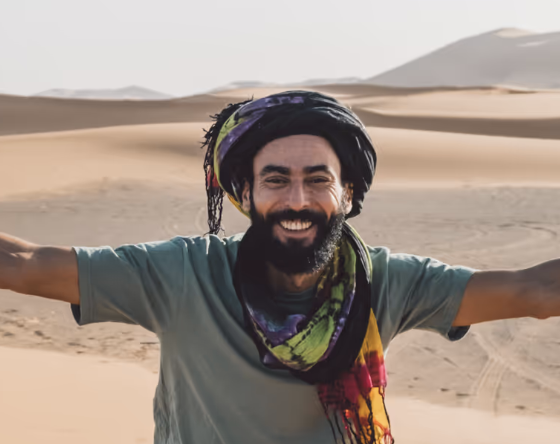
“I read every request myself, and reply the same day where I can.”
Noureddine Ingrioui
Founder & Tour Guide
Plan Your Private Morocco Tour
Ready to take the next step? Whether you’re ready to book or just exploring possibilities, we’re here to help. Share a few details with us, and our team will reach out
Plan Your Private Morocco Tour
Ready to take the next step? Whether you’re ready to book or just exploring possibilities, we’re here to help. Share a few details with us, and our team will reach out
“I read every request myself, and reply the same day where I can.”
Noureddine Ingrioui
Founder & Tour Guide